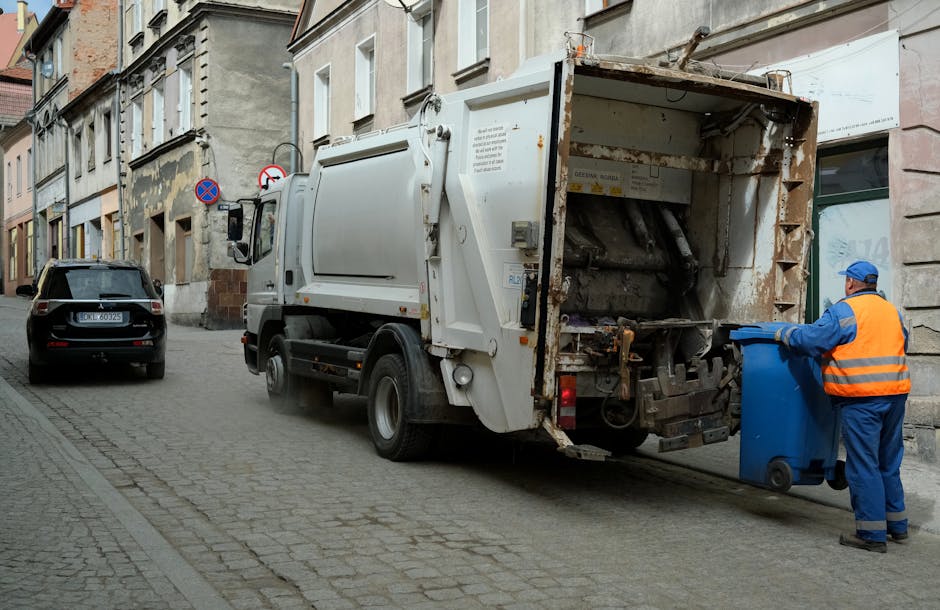
Bancroft Estate rubbish removal guide for Whitechapel residents
If you live on Bancroft Estate and you're staring at a hallway full of old furniture, a broken appliance, or bags that have somehow multiplied overnight, you're not alone. Rubbish removal sounds simple until you're actually doing it: tight stairs, lift access, parking pressure, awkward bulky items, and the quiet question of where it all should go. This Bancroft Estate rubbish removal guide for Whitechapel residents breaks the process down in plain English, so you can clear space without making a mess of your week.
In this guide, you'll find practical ways to handle flat clearances, furniture disposal, garden waste, builders' debris, and the bits that need extra care, like fridges, mattresses, confidential papers, and anything hazardous. We'll also cover what to do before booking, how to compare clearance options, and which mistakes tend to cost people time or money. Truth be told, a good rubbish removal plan saves more stress than most people expect.
Table of Contents
- Why Bancroft Estate rubbish removal matters
- How rubbish removal works on Bancroft Estate
- Key benefits and practical advantages
- Who this is for and when it makes sense
- Step-by-step guidance
- Expert tips for better results
- Common mistakes to avoid
- Tools, resources and recommendations
- Law, compliance, standards, or best practice
- Options, methods, or comparison table
- Case study or real-world example
- Practical checklist
- Conclusion
- Frequently asked questions
Why Bancroft Estate rubbish removal guide for Whitechapel residents Matters
Bancroft Estate sits in a part of Whitechapel where space is precious and day-to-day logistics can get fiddly fast. That matters because rubbish removal is never just about taking things away; it's about moving items safely, keeping shared areas clear, and avoiding problems for neighbours, caretakers, and building management. One overloaded corridor or badly left item can turn a quick clear-out into an awkward week. Nobody wants that.
For estate residents, the challenge is usually a mix of practical constraints. You may have narrow access points, limited parking, timed loading opportunities, or a lift that simply cannot handle a heavy wardrobe on its own. Then there's the reality of different waste types. A bag of old clothes is one thing. A sofa, a broken washing machine, mixed renovation rubble, or a mattress with staining is another altogether.
It also matters because the wrong disposal choice can create unnecessary hassle. If you leave items in communal areas, you may breach building rules. If you mix waste types badly, you can complicate recycling. If you dump hazardous items in a general load, that is not just messy; it is poor practice. A clear plan keeps everyone safer and the job more efficient.
Expert summary: On Bancroft Estate, the best rubbish removal approach is usually the one that matches your access, your item type, and your timeline. Simple jobs can be handled quickly; mixed or bulky loads need a bit more planning.
If you're unsure whether your job is a flat clearance, furniture clearance, or a broader waste removal job, don't worry. That distinction becomes clearer once you look at the items and the access, not before.
How Bancroft Estate rubbish removal guide for Whitechapel residents Works
The process is usually more straightforward than people expect, but the details matter. In most cases, rubbish removal follows a simple sequence: identify what needs to go, separate any special items, check access, agree the collection method, and then clear everything in one visit if possible. On an estate, the "access" part often decides the rest.
For example, if you're getting rid of a few bags and a bedside table, a quick load-out may be enough. If you're clearing an entire one-bedroom flat, you may need a more structured approach. And if the job includes broken furniture, a mattress, kitchen appliances, or leftover renovation material, you may need different handling for each item type. That's normal.
There's also a difference between disposal and clearance. Disposal is about getting rid of individual items. Clearance is broader and often involves multiple rooms or mixed contents. A resident moving out of Bancroft Estate might need a flat clearance, while someone sorting a spare room after years of storage may only need a few targeted collections, maybe a furniture disposal service for the bulky stuff.
Whitechapel residents also tend to value speed. Fair enough. When a space needs to be turned around for tenants, family, or a refurbishment, no one wants lingering rubbish sitting around for days. That is where a planned same-day or timed collection can make a real difference.
Key Benefits and Practical Advantages
Good rubbish removal is not glamorous, obviously, but it does offer some real advantages. The first is obvious: space returns to the room. Suddenly the corner by the window is usable again, the hallway feels less cramped, and the flat looks calmer. Small thing, big relief.
The second benefit is safety. Heavy or awkward items can cause trips, strained backs, and damage to floors or walls. If you've ever tried to turn a sofa on a narrow landing, you'll know exactly what I mean. Professional removal reduces the need for risky lifting and improvised carrying.
Another practical advantage is speed. If everything is pre-sorted and access is clear, removal can be far quicker than arranging several tip trips. That matters when you're juggling work, family, moving dates, or building works. Time is a genuine cost, even if it doesn't show up on a receipt.
There's also the benefit of better sorting. Reputable clearance approaches usually separate reusable items, recyclable materials, and waste that needs specific handling. That's particularly helpful for mixed loads like old office contents, garage clutter, or the remains of a kitchen rip-out. You get a cleaner finish and a more sensible disposal route.
In a practical Whitechapel setting, many residents also prefer service options that keep things tidy in shared spaces. No one wants cardboard, dust, or screws left behind on a staircase. A decent team leaves the area swept, not just emptied. That last bit is easy to overlook, but it matters.
For items like couches and large bedroom furniture, services such as mattress and sofa disposal can be especially useful because they deal with the awkward, weighty items that otherwise dominate a clear-out. And if you have appliance-heavy rubbish, a dedicated fridge and appliance removal option keeps things simple.
Who This Is For and When It Makes Sense
This guide is for anyone on Bancroft Estate who needs to clear rubbish without creating more work for themselves. That could be a tenant between moves, a landlord preparing a flat, a homeowner dealing with years of accumulation, or a family helping an older relative sort a property. It could also be someone who just finally decided the spare room must stop being a storage unit. Which, to be fair, happens a lot.
You may find this especially useful if you are:
- moving out and need a fast flat clearance
- replacing furniture and want old items gone the same week
- dealing with loft, garage, or basement clutter
- managing rental turnover or end-of-tenancy work
- sorting office overflow, paperwork, or storage
- handling post-renovation rubble and packaging
It also makes sense if you are facing a job that's too awkward for council collection alone, or if the items are too bulky to shift safely from an upper floor flat. That's where a professional route can save a lot of back-and-forth. There's no prize for doing extra trips in the rain, after all.
For business or mixed-use spaces near Whitechapel, the same logic applies. If the waste is coming from a workspace rather than a home, business waste removal may be the cleaner fit. If the job is more worksite-based, builders waste clearance is usually the better match.
Step-by-Step Guidance
If you want this to go smoothly, the trick is preparation. Not perfection. Just enough planning to stop the job becoming chaotic halfway through. Here's a sensible step-by-step approach for Bancroft Estate residents.
- List everything you want removed. Walk the flat, room by room, and write down the items. Separate furniture, bags, electrical items, paper waste, and anything uncertain.
- Identify special items early. Mark up items such as fridges, freezers, TVs, mattresses, sharps, paint, chemicals, or confidential paperwork. These may need different handling.
- Check access and timing. Think about parking, lift use, loading space, and whether there are restrictions on the estate. A 15-minute check now can save an hour later.
- Decide what can be reused or donated. If a table, chair, or cabinet is still in decent shape, don't automatically treat it as rubbish. Reuse is often the smarter first question.
- Group items logically. Put similar items together so the collection team can work efficiently. For example, all bedroom furniture in one area, all bags in another.
- Protect floors and walls if needed. If you're moving items through tight hallways, a bit of protection around corners can prevent scuffs. Old towels do a decent job in a pinch.
- Book the right kind of clearance. Choose a service that matches the load, not just the name. A small load, a full flat, or a mixed clearance are not the same thing.
- Do a final sweep. Check cupboards, behind doors, under beds, and in storage nooks. You'd be surprised how often one shoe, charger, or bag gets left behind.
If you're unsure about pricing or scope, reviewing pricing and quotes before you book can help you understand what the job is likely to involve. And if you already know you want to move ahead, the book online route can be a convenient next step.
Expert Tips for Better Results
One of the easiest ways to improve a clearance job is to be ruthless about separation. Keep what stays, what goes, and what needs special treatment in different groups. Sounds basic, but mixed piles slow everything down. They also make people second-guess what can be recycled.
Another tip: measure large items before collection day if access is tight. That's especially helpful for wardrobes, sofa beds, wardrobes with mirrors, exercise equipment, and oversized shelving. If something will not fit through the door without dismantling, it is much better to know that before the truck arrives.
Try to avoid last-minute additions unless they're genuinely small. People often start with "just a few items" and then remember the broken fan, the dusty carpet roll, the box of cables, and the old microwave. Before you know it, the job has changed shape. Happens all the time.
It also helps to think about the final destination of the waste. If your load contains reusable wood, metal, cardboard, and clean furniture, a responsible clearance provider will usually look to separate materials where possible. That is why sustainability is not just a nice extra. It's part of doing the job properly. If that matters to you, it's worth reading the site's recycling and sustainability information.
And a small one, but useful: keep one bag for unexpected bits. Loose screws, brackets, old plugs, picture hooks, and packaging always appear at the end. They just do. Having a "bits and pieces" bag avoids that little last-minute scatter across the floor.
Common Mistakes to Avoid
The biggest mistake is underestimating the job. A clear-out that looks manageable from the sofa can turn into three hours of lifting, sorting, and debating whether a thing is "actually useful". It's better to be honest about the volume from the start.
Another common issue is mixing hazardous or restricted items into general waste. That can include chemicals, solvents, certain batteries, or damaged electrical items. If you are not sure how something should be handled, stop and check rather than guessing. Guessing is how people create messy surprises.
People also forget that bulky items take up far more room than they first appear to. One wardrobe can consume the same practical space as ten bags. That means a small flat clearance can still need proper planning if the furniture is large and awkward.
Here are a few more mistakes worth avoiding:
- blocking communal corridors before collection time
- assuming everything can be thrown into one mixed load
- waiting until the last day to clear cupboards and loft spaces
- not checking whether the fridge or freezer needs specialist handling
- leaving confidential papers loose instead of shredding them securely
If confidential documents are involved, it is worth using a proper confidential shredding option rather than tossing sensitive papers into general rubbish. That small choice can prevent a lot of avoidable anxiety later.
Tools, Resources and Recommendations
You do not need a van full of gear to manage rubbish removal well, but a few simple tools help. Strong refuse sacks, gloves, a tape measure, and a marker pen are more useful than people expect. If the clearance is larger, a dolly trolley or furniture sliders can reduce strain. Just make sure they suit the floor surface.
For a more organised job, try keeping a basic sorting setup:
- Keep: items staying in the property
- Donate or reuse: items in decent condition
- Recycle: materials that can be separated
- Remove: items headed for disposal
That four-part split works well for most flats and houses, and it stops the "maybe" pile from growing into a second storage room. You know the one.
For larger domestic jobs, it may also help to compare the broader service pages. A full property may lean towards house clearance or home clearance, while smaller room-by-room jobs may fit loft clearance or garage clearance. The right label is less important than the right outcome, but it does help guide expectations.
If what you are disposing of is mainly furniture, the service mix can be even more specific. The pages for furniture clearance and mattress and sofa disposal are useful starting points because they match the item type to the task. That's usually a smarter way to plan than just calling everything "rubbish".
Law, Compliance, Standards, or Best Practice
For Whitechapel residents, the safest approach is to follow UK waste best practice rather than improvising. That generally means using a responsible carrier, keeping waste streams sensible, and avoiding fly-tipping or careless storage in communal areas. If you live on an estate, those basics matter even more because shared space is part of everyone's home environment.
Compliance usually comes down to a few simple habits. Waste should be handled by a provider that can operate safely, transport items properly, and deal with restricted waste in line with accepted practice. Electricals, fridges, and certain materials often require more care than ordinary household rubbish. Hazardous items need special attention. No drama, just caution.
Good practice also means respecting safety and access arrangements. That includes not obstructing exits, not leaving sharp objects exposed, and not overloading stairwells with items waiting for pickup. A tidy, controlled handover is usually the right standard for estate clearances.
If you want more reassurance around how work is handled, the site pages for insurance and safety and health and safety policy are worth checking. They can help you understand the general expectations around safe removal work, even if your own job is relatively small.
One more practical point: if you are disposing of items from a business, not a home, the expectations can shift slightly. Mixed office waste, confidential material, and bulk IT or furniture disposal all need a bit more care. In those cases, office clearance is often the most relevant route.
Options, Methods, or Comparison Table
Most Bancroft Estate residents end up choosing between three practical approaches: doing it yourself, using a skip, or booking a waste clearance service. Each one can work. The best choice depends on access, item type, and how much time you've actually got.
| Method | Best for | Strengths | Limitations |
|---|---|---|---|
| DIY trips | Very small loads | Flexible, direct control | Time-consuming, lifting effort, vehicle needed |
| Skip hire | Renovation or ongoing work | Good for mixed builders' waste | Needs space, access can be awkward on estates |
| Waste clearance service | Bulky items, flats, full rooms | Fast, labour included, less lifting for you | Needs clear item description and access details |
If you're trying to decide between skip hire and collection, it helps to check what can go in a skip. That page is especially useful if you have a renovation mix and need to avoid putting the wrong materials in the wrong container. Not everything belongs in a skip, and the contents rule does matter.
For many estate residents, a collection service is simply more practical. The loading is handled for you, the removal is quicker, and you do not have to organise a skip bay or worry about overfilling. That's a relief on a busy Whitechapel street, especially when everyone is trying to get on with their day.
Case Study or Real-World Example
Here's a realistic example from the kind of job that comes up often on estates like Bancroft. A resident was moving out of a two-bedroom flat and had accumulated the usual mix: a worn sofa, two broken chairs, a mattress, several bagged bits from the kitchen, a small fridge, and a box of old paperwork from a bedroom cupboard. Nothing dramatic. Just enough to be annoying.
The first issue was access. The lift was small, the hallway was shared, and the resident did not want to block neighbours coming and going. So the clearance was planned in a clear sequence: furniture first, then bags, then the appliance, then a final check of cupboards and storage corners. That order mattered more than they expected.
Because the items were grouped before collection, the team could work through them without backtracking or sorting on the spot. The hallway stayed clear. The flat was left tidy. And the resident, frankly, looked relieved when the last item disappeared. You could almost hear the change in the room. It felt lighter.
What made the job successful was not anything fancy. It was just good preparation, realistic expectations, and a sensible match between the items and the service. That is usually the story behind a smooth clearance. Boring in the best possible way.
Practical Checklist
Use this simple checklist before your Bancroft Estate rubbish removal day. It keeps things calm and avoids those "oh, I forgot that" moments.
- List every item that needs removing
- Separate reusable items from true waste
- Set aside anything hazardous, confidential, or electrical
- Check lift access, stairs, and estate rules
- Measure large furniture if corridors are tight
- Bag loose rubbish securely
- Keep pathways clear for safe carrying
- Confirm whether appliance or mattress removal is needed
- Gather any paperwork or valuables you want to keep
- Do a final sweep of cupboards, drawers, and storage areas
If the job has already grown beyond a few bags and one or two pieces of furniture, it may be time to look at a broader home clearance or even a more complete house clearance. The best option is the one that matches the real job, not the version you hoped it would be.
Conclusion
Bancroft Estate rubbish removal does not need to be stressful, but it does need a bit of thought. Once you understand the access, the waste type, and the scale of the job, the rest becomes much easier to manage. That is really the heart of it. Good preparation, clear sorting, and a sensible service choice will save you time, reduce risk, and make the whole process feel far less chaotic.
For Whitechapel residents, the smartest approach is usually the one that keeps shared spaces clear, handles bulky items safely, and gives you a proper finish instead of a half-done tidy-up. Whether you are clearing a single room, replacing furniture, or handling a bigger flat move, a little planning goes a long way. And once the rubbish is gone, the relief is immediate. The place breathes again.
Get a free quote today and see how much you can save.
If you want to understand the business behind the service a little better, you can also review the company's about us page before you book. Sometimes that extra bit of context helps. Sometimes it just makes you feel more comfortable. Either way, that's no bad thing.
Frequently Asked Questions
What is the best way to arrange rubbish removal on Bancroft Estate?
The best way is usually to list the items first, check access and building rules, and then choose a collection method that suits the load. For bulky items or full-room clearances, a waste removal service is often the easiest route.
Can I leave rubbish in the communal area before collection?
Usually, no. Shared spaces need to stay clear for neighbours, emergencies, and general access. It is safer and more considerate to keep everything inside your flat until collection time.
Do I need a flat clearance or a furniture clearance?
If you are removing multiple items across several rooms, a flat clearance may be the better fit. If it is mainly sofas, wardrobes, or tables, furniture clearance or furniture disposal may be more appropriate.
What if I only have a few bulky items?
That still counts as a proper job if the items are awkward or heavy. A sofa, mattress, or appliance can be more troublesome than several bags of rubbish, so it is worth handling them properly rather than trying to shift them yourself.
Can fridges and freezers be taken away?
Yes, but they should be handled carefully because appliances often need specific removal arrangements. A dedicated fridge and appliance removal service is usually the clearest option.
Is it okay to mix builders' waste with household rubbish?
It is better not to. Mixed loads can slow the job down and make sorting harder. Builders' rubble, timber, and packaging are usually better handled through builders waste clearance.
What happens to items that are still in good condition?
Where possible, usable items should be considered for reuse before disposal. A sensible clearance plan separates what can be kept, reused, recycled, or removed, rather than treating everything the same.
How do I deal with confidential papers?
Keep confidential documents separate and use secure shredding rather than putting them in mixed rubbish. That is the safer and more responsible approach for personal or business paperwork.
What should I do about hazardous waste?
Do not mix it into general rubbish. Hazardous materials need special care, so if you suspect something is risky, separate it and check the correct disposal route through hazardous waste disposal guidance.
How do I know whether skip hire or waste removal is better?
If you have ongoing work and plenty of space, skip hire can work well. If you are in a flat, have bulky items, or want the load handled for you, waste removal is often more practical. Checking what can go in a skip can also help you decide.
Can I book online for rubbish removal?
Yes, if you already know what needs clearing and are happy to provide basic job details, booking online can be a quick way to move forward. It is especially useful when you want the process to be simple and direct.
What if I need help with a whole property, not just one room?
For larger jobs, home clearance or house clearance is usually a better fit than a small-item collection. The wider the job, the more it helps to describe the property clearly so expectations are set properly from the start.
Where can I ask about a specific job or unusual item?
If your items are unusual, mixed, or delicate, it is best to discuss the details directly before booking. You can use the contact us page for that kind of question, especially if you want to check what is sensible for your exact situation.