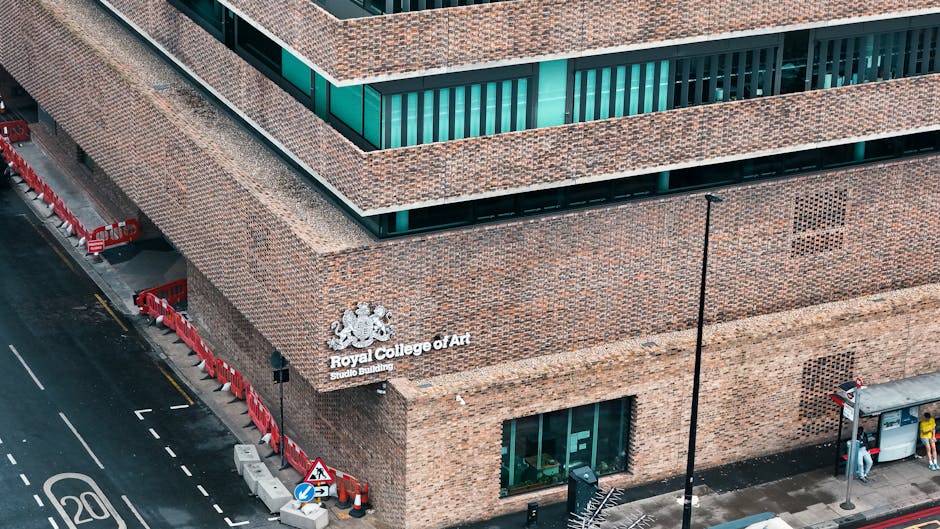
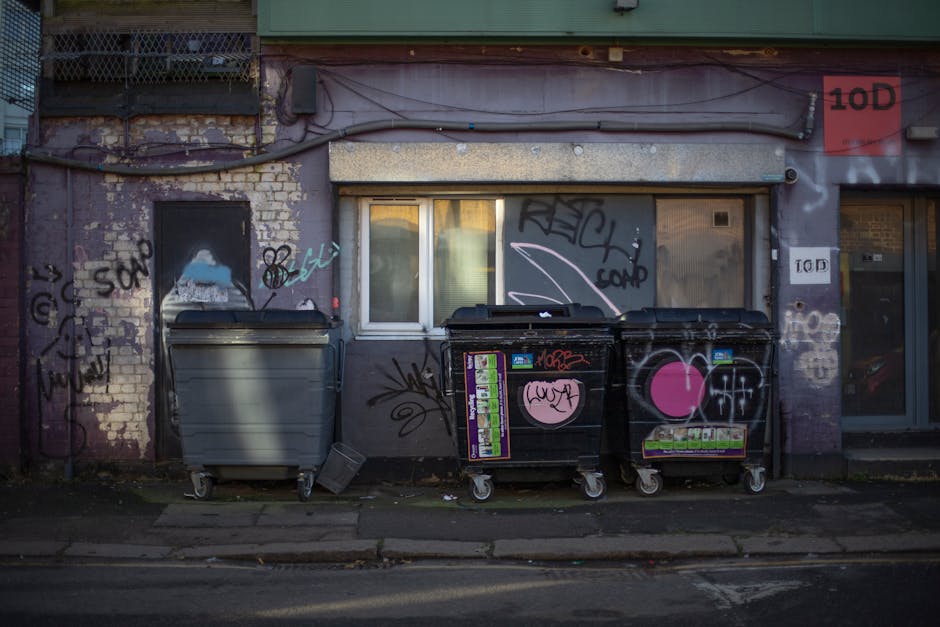
Royal London Hospital area rubbish clearance in Whitechapel
If you are dealing with unwanted items, bulky rubbish, or leftover clutter near the Royal London Hospital, you probably want it gone quickly, properly, and without creating more hassle than necessary. That is exactly where Royal London Hospital area rubbish clearance in Whitechapel comes in. Whether you are clearing a flat, managing a busy commercial space, or dealing with post-renovation waste, the right clearance approach can save time, reduce stress, and keep the area safer for everyone. In a neighbourhood as active as Whitechapel, that matters more than people think.
There is also a practical side to all this. Roads are busy, access can be tight, and rubbish left for too long can become a nuisance or even a risk. In other words: the quicker and cleaner the clear-out, the better for residents, businesses, and anyone moving through the area. Below, you will find a clear, no-nonsense guide to how local clearance works, what to avoid, what to expect, and how to make a sensible choice.
Table of Contents
- Why Royal London Hospital area rubbish clearance in Whitechapel Matters
- How Royal London Hospital area rubbish clearance in Whitechapel Works
- Key Benefits and Practical Advantages
- Who This Is For and When It Makes Sense
- Step-by-Step Guidance
- Expert Tips for Better Results
- Common Mistakes to Avoid
- Tools, Resources and Recommendations
- Law, Compliance, Standards, or Best Practice
- Options, Methods, or Comparison Table
- Case Study or Real-World Example
- Practical Checklist
- Conclusion
- Frequently Asked Questions
Why Royal London Hospital area rubbish clearance in Whitechapel Matters
The Royal London Hospital area has a very specific rhythm to it. There are patients, visitors, staff, deliveries, trades, offices, flats, and street-level activity all overlapping. So when rubbish builds up, it is not just an eyesore. It can get in the way of movement, create trip hazards, attract fly-tipping, and make a busy site feel more stressful than it should.
In practical terms, clearance in this part of Whitechapel often needs to be quicker and more organised than a generic "man and van" collection. You may need items removed from a tight stairwell, a basement room, a service yard, or a shared access corridor. You may also be working around shift patterns or vulnerable occupants. That is why a well-planned rubbish clearance is not a luxury. It is a tidy-up with consequences.
There is another angle too: presentation. A clean entrance, uncluttered fire route, and clear communal space can make a noticeable difference. For businesses, it affects customers. For landlords and managing agents, it affects inspections. For families, it simply makes the place feel less chaotic. Let's face it, once clutter starts spreading, it tends to spread fast.
Expert summary: In a high-traffic location like Whitechapel, rubbish clearance works best when it is planned around access, item type, and safe loading - not just speed. Quick is useful. Controlled is better.
How Royal London Hospital area rubbish clearance in Whitechapel Works
Most clearances follow a simple process, but the quality of the result depends on how carefully each step is handled. A good service will usually start by identifying what needs removing, how much of it there is, and whether anything needs special handling. That includes common bulky waste, furniture, appliances, bagged rubbish, builders' debris, or mixed loads.
From there, the team will consider access. Can the vehicle stop close by? Is there a lift? Are there narrow stairs or controlled entry points? In this area, those details matter a lot. They affect timing, the number of people needed, and what can be removed in one visit.
After that comes sorting. Reusable items may be separated from recyclable material and general waste. A careful operator will avoid throwing everything into one heap if it can be responsibly broken down. That is where a more professional waste removal approach adds real value. It is less about dumping and more about handling waste properly from the start.
In some cases, a job may need a more focused service. For example, a clearance involving damaged chairs, desks, or shelving might align better with office clearance. A room full of worn-out seating, beds, or mixed domestic items could be better suited to mattress and sofa disposal. If you are dealing with a broader property clear-out, a house clearance or home clearance may be the cleaner fit.
The main point is this: the right method depends on the load, the location, and how fast you need the site cleared. Not every job should be treated the same. That sounds obvious, but in reality it is where many poor experiences begin.
Key Benefits and Practical Advantages
Done properly, local rubbish clearance brings more than just an empty space. It improves the way a property functions day to day.
- Faster turnaround: Unwanted items are removed in one organised visit instead of dragging the process out over several days.
- Better access: Clear corridors, doorways, yards, and entrances make a real difference in busy buildings.
- Cleaner presentation: This matters to visitors, tenants, staff, and anyone passing by.
- Reduced stress: A difficult clear-out can feel oddly consuming; handing it over can be a relief.
- More responsible disposal: Good clearance includes sorting, reuse, and recycling where possible.
- Less manual strain: Heavy lifting is no small thing, especially with awkward items or stairs.
For businesses near the hospital, there is an extra benefit: minimal disruption. A tidy, pre-planned clearance can be carried out with less noise and fewer interruptions than most people expect. For residents, especially those in flats, it can be a way of reclaiming space without the emotional drain of doing everything yourself.
If you are trying to compare a few options, it is worth looking at the broader service picture too. Some people need a dedicated flat clearance because access is the main issue. Others need furniture clearance because the job is mainly bulky household items. And if the real issue is mixed waste from works or refits, a builders waste clearance can be the better match.
Who This Is For and When It Makes Sense
Royal London Hospital area rubbish clearance in Whitechapel is useful for a surprisingly wide range of people. It is not just for people with "a bit of clutter." It often solves practical problems that have been building up for weeks or months.
Typical situations where it makes sense
- Tenants or landlords clearing a flat between lets
- Families handling a home or probate-style property clear-out
- Local offices needing desks, chairs, and confidential material removed
- Shops, clinics, or small commercial premises with back-room waste
- Builders or decorators leaving behind mixed debris
- Garage, loft, or garden spaces that have become unmanageable
It also makes sense when the items are awkward or simply too much for a normal car boot run. Truth be told, many clear-outs are not difficult because of the amount; they are difficult because of the shape, weight, and access. A broken wardrobe on the third floor is a very different problem from a few bin bags. You know that feeling when one item is somehow heavier than it looks? Exactly that.
If your job is more about a specific room or space, targeted services can help. A forgotten storage area might need loft clearance or garage clearance. A neglected outdoor area may benefit from garden clearance. And where the waste is mainly from a workplace, business waste removal is often the right route.
The key question is simple: are you trying to create space, improve safety, or restore order quickly? If the answer is yes to any of those, a planned clearance is probably justified.
Step-by-Step Guidance
If you want a smooth result, a little preparation goes a long way. You do not need to overthink it, but you do need a plan.
- List what must go. Separate obvious waste, reusable items, fragile items, and anything you are unsure about.
- Identify access issues. Check stairs, lifts, entry codes, parking, loading spots, and any time restrictions.
- Flag special items early. Fridges, freezers, sofas, mattresses, and anything potentially hazardous should be noted up front.
- Clear what you want to keep. It sounds basic, but mixed rooms cause mistakes. A quick "keep pile" saves headaches later.
- Ask about disposal handling. If sustainability matters to you, ask how reusable and recyclable material is separated.
- Confirm timings. In a busy part of Whitechapel, the difference between morning and afternoon can be significant.
- Walk the job through at arrival. A two-minute briefing can prevent a lot of back-and-forth. Honestly, it helps more than people expect.
One small but useful habit: take quick photos before the clearance begins. Not for drama, just for clarity. It helps everyone agree on the scale of the job and reduces awkward "was that staying or going?" moments.
If the work involves a full property, it can also help to think in zones. Rooms first. Then cupboards. Then storage areas. Then the awkward bits. That order is not glamorous, but it works.
Expert Tips for Better Results
From experience, the best clearances are not necessarily the biggest or the fastest. They are the ones where the person booking the service has thought just a little ahead.
- Sort by category, not mood. Put furniture, appliances, general rubbish, and recyclables into separate groups where possible.
- Leave a clear path. Even a narrow hallway is easier to work with if shoes, bags, and loose objects are out of the way.
- Be realistic about weight. A damp mattress, soaked carpet offcut, or broken wardrobe can be far heavier than expected.
- Tell the team about fragile surroundings. Freshly painted walls, glass panels, or narrow bannisters need a careful hand.
- Choose the right scale of service. A small mixed waste load and a full flat clearance are different jobs. Treat them that way.
One useful insight: if the clearance includes appliances, ask whether they can be handled separately. For example, a fridge or freezer may need fridge and appliance removal because those items often need more specific handling than standard furniture. That is the kind of detail that saves backtracking later.
Another tip, and this one sounds almost too simple, is to label anything that must not be touched. A sticky note on a box is not fancy, but it works. Even in a rushed environment, clear labels reduce mistakes. That is the sort of tiny thing that makes a job go smoothly.
Common Mistakes to Avoid
Most problems with rubbish clearance are avoidable. The issue is usually not the waste itself. It is the planning around it.
- Leaving sorting until the last minute. This slows everything down and increases the chance of accidental disposal.
- Underestimating access problems. A job that looks easy on paper can become tricky with stairs, parking, or tight corridors.
- Mixing hazardous items into general waste. That is a bad idea and should never be guessed through.
- Forgetting building rules. Shared properties often have loading, noise, or access expectations.
- Choosing purely on price. The cheapest option is not always the safest or most reliable, and sometimes that gets expensive in a different way.
There is also a quieter mistake: not being honest about the amount of waste. People often say "it's just a few bits" when it is actually a room full. No judgement - it happens all the time. But accurate detail helps the clearance team bring the right time, labour, and vehicle setup.
If you are dealing with items that may be broken, contaminated, or hard to classify, it is better to pause and clarify than to force them into the wrong channel. That applies especially to anything sharp, chemical, or potentially harmful.
Tools, Resources and Recommendations
You do not need a huge toolkit to prepare for clearance, but a few simple things help a lot:
- Strong bags or boxes for loose items and smaller waste
- Labels or tape to mark keep, remove, or fragile items
- Gloves if you are moving through dusty or awkward storage spaces
- A basic inventory list for rooms, items, and anything special
- Phone photos to record the starting condition and clarify the work
For readers comparing services, a few site pages can be especially useful. If you want a better sense of typical pricing structure and how quotes are shaped, see pricing and quotes. If your job involves a wider waste plan rather than one-off clearance, the page on waste removal is a sensible place to look. And if sustainability matters to you, the guide to recycling and sustainability is worth a read.
Sometimes the smartest move is simply getting the right page for the right problem. A storage room full of forgotten household items is not the same as a refit site. Nor is a business backroom the same as a single-bedroom flat. Small distinction, big difference.
Law, Compliance, Standards, or Best Practice
Any rubbish clearance should be handled in line with UK waste best practice. You do not need to become an expert in waste law to make a sensible choice, but you should expect the provider to act responsibly and to know what they are doing.
That generally means the waste should be sorted, transported safely, and taken to appropriate facilities rather than dumped or handled carelessly. If an item is hazardous, electrical, sharp, contaminated, or otherwise unusual, it should be identified rather than treated as ordinary rubbish. Common sense goes a long way here, even if the rules behind it are a bit more technical.
In shared buildings, there may also be property management or access rules to respect. Fire exits should stay clear. Corridors should not be blocked. And if you are in a hospital-adjacent area with heavy foot traffic, it is especially important to avoid creating clutter that affects movement or visibility.
Best practice also includes respectful working. That means careful lifting, sensible timing, and protection of surrounding surfaces where needed. A professional team should carry appropriate insurance and operate with health and safety in mind. If you want to understand that side more deeply, the pages on health and safety policy and insurance and safety are useful references.
For private or sensitive material, confidential handling matters too. If your clearance involves old files, documents, or office records, the page on confidential shredding is relevant. It is one of those things people forget until the piles are already there.
Options, Methods, or Comparison Table
There are several ways to deal with unwanted items in the Royal London Hospital area, and the best one depends on scale, speed, and item type. Here is a straightforward comparison.
| Method | Best for | Pros | Limits |
|---|---|---|---|
| DIY tip run | Very small amounts of waste | Can be inexpensive if you already have transport | Time-consuming, tiring, and awkward for bulky items |
| Skip-style approach | Ongoing work or renovation waste | Useful if waste builds up over time | Space can be an issue; not ideal for tight access |
| One-off clearance service | Mixed rubbish, furniture, or flat clear-outs | Fast, convenient, less lifting for you | Needs a clear brief to avoid misunderstandings |
| Specialist item removal | Appliances, mattresses, sofas, or waste needing separate handling | More appropriate for awkward or specific items | May need extra planning if multiple waste types are involved |
If you are unsure whether a skip-style option is suitable, the page what can go in a skip gives a practical overview of common limits and expectations. That said, many people in Whitechapel simply need direct collection because access is easier that way. A clear-out is often more about removing friction than about choosing a "perfect" method.
Case Study or Real-World Example
A fairly typical Whitechapel job might involve a second-floor flat near the hospital, where a tenant has moved out and left behind a mix of furniture, a broken desk, bagged rubbish, and a fridge in the kitchen. Nothing dramatic. Just enough to feel annoying every time someone opens the door.
The first step would be checking access. Is there a lift? Is parking available nearby? Are there any building rules about loading times? Then the items would be grouped: furniture, appliance, general rubbish, and anything that needs special handling. That means the team can move steadily instead of stopping every two minutes to decide what goes where.
In a job like this, a combined approach often works best: furniture handling, appliance removal, and general waste clearance all in one visit. If there are heavy seating items, the related furniture disposal page is relevant. If the job is really about a full room-by-room turnover, the broader flat clearance service makes more sense. And if the property is a larger family home rather than a small flat, the home clearance route may be the more natural fit.
The result? Less clutter, less lifting for the resident, and a space that feels usable again by the end of the day. Not magic. Just well-organised removal. Still satisfying, though. Very satisfying, actually.
Practical Checklist
Use this checklist before booking or starting a clearance near the Royal London Hospital area.
- List every item or type of waste that needs removing
- Separate keep, donate, recycle, and remove piles
- Check access points, stairs, lifts, and parking options
- Note anything heavy, fragile, sharp, or unusual
- Confirm whether appliances or mattresses are included
- Make sure corridors and exits stay clear
- Ask how recycling and sorting will be handled
- Take before photos if you want a record
- Choose the right service for the job size
- Keep contact details handy on the day
One small extra tip: if the space has been neglected for a while, give yourself ten minutes before the team arrives to clear obvious personal items. It reduces stress straight away. It really does.
Get a free quote today and see how much you can save.
Conclusion
Royal London Hospital area rubbish clearance in Whitechapel is about more than just removing junk. It is about restoring space, keeping access safe, and making a busy local environment easier to live and work in. The best results come from clear planning, honest communication, and choosing a service that understands the realities of Whitechapel's streets, buildings, and pace.
If you approach it with a little organisation, the whole thing becomes much simpler. Sort the items, understand the access, choose the right type of clearance, and be upfront about what is involved. That is usually enough to turn a stressful mess into a straightforward job.
And once it is done, there is that nice little moment when a room finally breathes again. Quiet, tidy, usable. A small win, but a proper one.
Frequently Asked Questions
What does Royal London Hospital area rubbish clearance in Whitechapel usually include?
It usually includes removal of general rubbish, bulky household items, furniture, mixed waste, and sometimes appliances or office items, depending on the job. The exact scope depends on access and what needs to go.
Is this different from standard rubbish removal?
Sometimes, yes. The location can make a difference. Around the Royal London Hospital area, access, timing, and busy foot traffic often require a more careful approach than a standard collection elsewhere.
Can you clear items from a flat with stairs or no lift?
Yes, that is a common scenario. The key is to mention access details early so the clearance team can plan the right amount of labour and time.
What happens to reusable items?
Where possible, reusable items may be separated from waste and handled differently. Good clearance practice should avoid treating everything as general rubbish when it does not need to be.
How should I prepare before a clearance?
Sort items into keep and remove piles, clear access routes, and note anything fragile, hazardous, or unusually heavy. A small amount of preparation makes the job much smoother.
Can you remove sofas, mattresses, and appliances?
Yes, those items are commonly handled, although some may need separate treatment. For example, appliance removal can be better managed through a dedicated service if the item is large or awkward.
What if I have confidential paper or office records?
Confidential material should be kept separate and handled carefully. If records or documents are involved, it is wise to use a service that can deal with secure shredding or disposal.
How do I know whether I need flat clearance or house clearance?
If the property is a smaller apartment or shared flat, flat clearance is often the better match. For larger homes with more rooms and storage areas, house clearance may be more suitable.
Are there items that should not be mixed with general waste?
Yes. Hazardous, sharp, chemical, or otherwise unusual items should not be guessed through. They need to be identified properly before removal.
How long does a local rubbish clearance take?
It depends on the amount of waste, access, and whether the job is straightforward or mixed. A small collection can be quick, while a full property clearance will naturally take longer.
Can rubbish clearance help with a cluttered office or back room?
Absolutely. Offices, storage rooms, and back rooms often accumulate items that are too bulky for ordinary disposal. In those cases, office clearance or business waste removal can be a better fit.
Where can I check pricing and booking details?
For a clearer idea of how quotes are handled, see the pricing and quotes page, and for booking options, the book online page may help you take the next step.